Christmas Collection of Dancing Snowmen Review
When I first opened the files for Christmas Collection of Dancing Snowmen, I didn't just see a cute holiday graphic; I immediately started visualizing it on fabric. As a designer who reviews embroidery assets daily, my first instinct is to look past the digital preview and ask: does this translate well into thread? Will it hold up after washing? And most importantly, will it bring joy to the person receiving it? The answer, in this case, is a resounding yes, provided you approach the digitization with a clear strategy.
The First Impression: Mood and Visual Personality
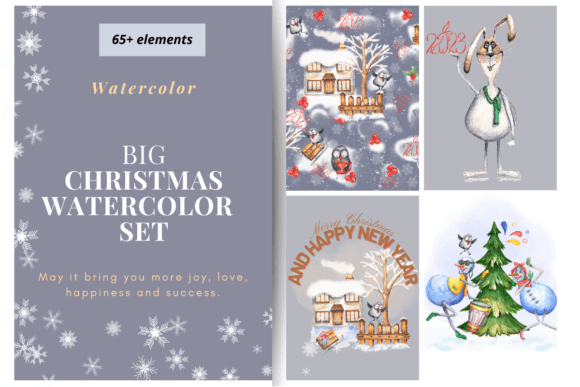
The moment you view the Christmas Collection of Dancing Snowmen, the mood shifts instantly from mundane to festive. These aren't static, stiff figures; they are captured mid-motion, exuding energy and playfulness. For an embroidery design intended for commercial or personal use, capturing movement is one of the hardest things to achieve, yet this collection nails it. The layout feels balanced, suggesting that these characters were designed with a specific flow in mind, likely to accommodate the natural curve of a garment or the rectangular shape of a home decor item.
Unlike many generic holiday designs that rely heavily on text, this piece focuses on character-driven illustration. This makes it incredibly versatile for handmade products where the visual storytelling is paramount. Whether you are creating a boutique line of aprons or a set of personalized baby onesies, the dancing theme offers a narrative that customers can connect with immediately. It feels less like a clipart stamp and more like a scene from a winter wonderland storybook, ready to be stitched onto your canvas.
Real-World Application: From Digital File to Finished Product
To truly understand the potential of Christmas Collection of Dancing Snowmen, let's walk through a real project scenario. Imagine you are an Etsy seller preparing for the holiday rush. You have a client request for a custom embroidered sweatshirt featuring a unique, whimsical design that stands out from the standard Santa and reindeer motifs flooding the market. You decide to use this collection.
Here is how it plays out in practice. On a heavy cotton fleece sweatshirt, the design would anchor beautifully. The dynamic poses of the snowmen create a sense of fun that contrasts nicely with the cozy texture of the fabric. However, if you were to place this same design on a small tote bag, the scale becomes critical. The "dancing" aspect implies a certain width, so placing it too tightly might make the figures feel cramped. In this scenario, I would recommend centering the design on the front panel of the bag but ensuring there is enough negative space around the edges so the stitching doesn't bunch up against the seams.
For baby embroidery, such as on a christening gown or a milestone blanket, this design shines because of its soft, joyful energy. Parents often look for items that feel special and not mass-produced. A high-quality stitch job of these dancing figures on a soft muslin swaddle creates a heirloom-quality gift that feels thoughtful and curated. The key here is thread selection; using variegated threads for the scarves or hats could add depth, making the snowmen pop against a solid background.
Navigating Technical Challenges and Limitations
While the artistic merit of Christmas Collection of Dancing Snowmen is evident, every experienced designer knows that the devil is in the details. There are specific scenarios where this design requires careful consideration to avoid a subpar finished product.
First, consider the stitch density. If the original digitization includes dense fill stitches to create the snowmen's bodies, applying this to thin or stretchy fabrics like jersey knit without proper stabilizer can lead to puckering. The tension required to lay down those fills might distort the fabric, ruining the clean lines of the dance pose. Always test on scrap fabric first. If the design features intricate details like tiny buttons or facial expressions, ensure these elements are large enough to be visible. Tiny details often get lost in the thread, especially on textured fabrics like terry cloth or corduroy.
Dark fabric presents another challenge. If you plan to embroider this on black or navy garments, the contrast is vital. Light-colored threads will show up, but the shadows within the design might disappear. You may need to adjust the underlay or choose a brighter thread palette to maintain the definition of the snowmen's shapes. Similarly, on curved surfaces like caps, the curvature of the brim can flatten the perspective of the design. While the dynamic pose helps, extremely detailed corners might not register clearly on the tight curve of a baseball cap.
Furthermore, if you are producing embroidered patches, remember that the design needs to be stable enough to withstand the backing process. Designs with long, floating stitches (common in running stitches used for limbs) might snag during the cutting or sewing of the patch border. Review the file to see if any long floats exist and consider adding a trim stitch or adjusting the stitch direction to secure them before sending them to production.
Practical Designer Notes for Success
Before you commit to a full production run of custom apparel or small shop products, follow these essential steps to ensure professional results:
- Test on Scrap Fabric: Never skip this step. Stitch the design on the exact type of fabric you intend to use, including the correct stabilizer. Check for puckering, thread breaks, or color bleeding.
- Check Thread Color Contrast: Create a digital mockup using different thread colors. Sometimes a design looks great in black and white but loses impact when rendered in pastel threads. Ensure the thread colors chosen provide enough contrast against your fabric choice.
- Review Hoop Size: Verify that the hoop size accommodates the widest part of the design without cutting off the action. If the design is meant to span a large area, ensure your machine can handle the dimensions or plan for multi-hooping strategies.
- Inspect Small Details: Zoom in on the digital file. Are the eyes and mouths distinct? If they are too small, they will merge into a single blob once stitched. Consider simplifying the face if the resolution isn't high enough.
- Compare Backgrounds: Test the design on both light and dark backgrounds. Some digital embroidery files include underlay settings that work better on one side than the other.
- Confirm Licensing: Before selling commercial embroidery projects or printable mockups, double-check the license terms. Ensure you have the right to sell finished goods made with this illustration asset.
Impact on Brand and Customer Perception
The quality of your embroidery directly influences customer trust and brand consistency. A poorly executed tote bag design can make even the best concept look cheap. Conversely, a sharp, well-stitched version of Christmas Collection of Dancing Snowmen elevates the perceived value of your item. When a customer sees a design that is crisp, has no loose threads, and captures the intended motion, they perceive your business as professional and reliable.
This design also enhances giftability. Holiday gifts are emotional purchases. A design that evokes happiness and nostalgia, like dancing snowmen, resonates deeply. It transforms a simple piece of clothing or a kitchen towel into a memorable keepsake. For Etsy sellers and creative entrepreneurs, leveraging such a strong visual personality can help your listings stand out in a crowded marketplace. It provides a unique selling proposition that goes beyond just "holiday themed."
In conclusion, Christmas Collection of Dancing Snowmen is a robust asset for any craft business looking to expand their holiday inventory. Its playful nature and strong composition make it suitable for a wide range of applications, from sweatshirt embroidery to delicate nursery decor. By paying attention to technical details like stabilizer choice, thread contrast, and fabric compatibility, you can ensure that your final output matches the high standards of modern handmade aesthetics. It is a design that rewards careful execution with a delightful, high-value result.